FIFA World Cup 2026 Stadium Guide: Locations, Capacities and Key Facts
The FIFA World Cup 2026 has officially arrived, capturing the hearts of football fans across the globe. As 48 nations prepare to compete across three beautiful host countries—the United States, Mexico, and Canada—the state-of-the-art stadiums are ready to take center stage. Consequently, these incredible venues will not only showcase breathtaking matches, but they will also host the world’s most elite athletes, some of whom aim to join the prestigious list of Ballon d’Or Winners Ranked in the near future. In this comprehensive guide, we explore all 16 spectacular arenas, highlighting their locations, capacities, and fascinating key facts.
Furthermore, this tournament marks the first time in history that three nations have co-hosted the event, making it the most geographically expansive World Cup ever. From the high-altitude fields of Mexico City to the cutting-edge technology of Los Angeles, each venue brings its own unique character. Therefore, understanding the stadiums is crucial for any fan looking to follow this historic event.
Table of Contents
- Overview of Host Countries & Stadium Capacities
- United States Host Stadiums (11 Venues)
- Mexico Host Stadiums (3 Venues)
- Canada Host Stadiums (2 Venues)
- How Historic Stadiums Connect to the Greatest Ballon d’Or Winners Ranked
- Legendary Venues Hosting Future Ballon d’Or Winners Ranked
- Frequently Asked Questions (FAQs)
- Conclusion: A New Era of Football History
Overview of Host Countries & Stadium Capacities
To help you navigate this massive tournament, we have compiled a quick overview of all the venues. The table below lists each host city, the official tournament stadium name, the country, and the approximate seating capacity adjusted for the tournament.
| Host City | Tournament Stadium Name | Country | Capacity |
|---|---|---|---|
| Dallas | AT&T Stadium | United States | 94,000 |
| Mexico City | Estadio Azteca | Mexico | 83,000 |
| New York / New Jersey | MetLife Stadium | United States | 82,500 |
| Atlanta | Mercedes-Benz Stadium | United States | 75,000 |
| Kansas City | Arrowhead Stadium | United States | 73,000 |
| Houston | NRG Stadium | United States | 72,000 |
| San Francisco Bay Area | Levi’s Stadium | United States | 71,000 |
| Los Angeles | SoFi Stadium | United States | 70,000 |
| Philadelphia | Lincoln Financial Field | United States | 69,000 |
| Seattle | Lumen Field | United States | 69,000 |
| Boston | Gillette Stadium | United States | 65,000 |
| Miami | Hard Rock Stadium | United States | 65,000 |
| Vancouver | BC Place | Canada | 54,000 |
| Monterrey | Estadio BBVA | Mexico | 53,500 |
| Guadalajara | Estadio Akron | Mexico | 48,000 |
| Toronto | BMO Field | Canada | 45,000 |
United States Host Stadiums (11 Venues)
The United States is hosting the majority of the tournament’s matches across 11 iconic venues. While watching these matches, fans will inevitably draw comparisons to the Ballon d’Or Winners Ranked who have previously dominated global tournaments on American soil.
Dallas Stadium (AT&T Stadium)
Located in Arlington, Texas, AT&T Stadium is a marvel of modern sports engineering. As the largest venue of the tournament, AT&T Stadium is designed for the kind of world-class display typically associated with the Ballon d’Or Winners Ranked. Boasting a jaw-dropping capacity of approximately 94,000 seats, it features a retractable roof and one of the largest high-definition video screens in the world. Consequently, this venue is set to host several critical knockout matches, including a highly anticipated semifinal. The electric atmosphere generated under its massive dome will undoubtedly inspire athletes to perform at their absolute peak.
New York New Jersey Stadium (MetLife Stadium)
Situated in East Rutherford, New Jersey, MetLife Stadium stands as one of the premier sports hubs in the United States. Hosting the final of this historic tournament on July 19, 2026, MetLife Stadium will see a legendary performance, likely from someone destined to stand high among the Ballon d’Or Winners Ranked. With a capacity of 82,500, this open-air venue is the proud home of both the NFL’s New York Giants and New York Jets. Furthermore, its proximity to New York City makes it a global gateway, ensuring a diverse and incredibly loud crowd for the tournament’s crowning moment.
Los Angeles Stadium (SoFi Stadium)
Located in Inglewood, California, SoFi Stadium is widely regarded as the most technologically advanced sports arena ever built. Such a marvelous arena deserves players of the highest caliber, matching the skill of the Ballon d’Or Winners Ranked. It holds a tournament capacity of 70,000 and features a striking, dual-sided 4K HDR Infinity Screen that hangs over the field. Additionally, its translucent canopy roof lets in natural California sunlight while protecting fans from the elements. This architectural masterpiece will host the highly anticipated opening match for the United States National Team.
Atlanta Stadium (Mercedes-Benz Stadium)
Atlanta’s Mercedes-Benz Stadium is famous for its revolutionary pinwheel retractable roof and its 360-degree halo board. The energetic crowds in Atlanta will be hoping to witness magic that rivals the peak years of the Ballon d’Or Winners Ranked. With a capacity of 75,000, this stadium is also known for its incredible fan-first food pricing and sustainable design. It serves as home to the MLS’s Atlanta United, meaning the city already possesses a deeply passionate soccer culture. Therefore, matches played here are guaranteed to have a vibrant and loud environment.
Kansas City Stadium (Arrowhead Stadium)
Arrowhead Stadium in Kansas City, Missouri, is legendary for its record-breaking crowd noise. Loud, passionate, and historic, this venue will demand exceptional leadership from players striving to be compared to the Ballon d’Or Winners Ranked. Sporting a tournament capacity of 73,000, this open-air stadium offers a classic American sporting experience. Soccer has a rich history in Kansas City, and the community’s dedication to the sport is second to none. On the other hand, the stadium’s sheer layout guarantees that every spectator feels incredibly close to the action.
Houston Stadium (NRG Stadium)
Houston’s NRG Stadium is a highly versatile venue with a capacity of 72,000. Every team playing here will rely on their superstar players to deliver performances reminiscent of the Ballon d’Or Winners Ranked. It was the first NFL stadium to feature a retractable roof, making it a pioneer in stadium engineering. Furthermore, the venue has hosted numerous international soccer matches, including the Copa América, proving its capability to manage high-stakes soccer tournaments. Its location in Texas ensures a massive turnout of multicultural football enthusiasts.
San Francisco Bay Area Stadium (Levi’s Stadium)
Located in Santa Clara, California, Levi’s Stadium is celebrated as one of the most eco-friendly stadiums in the world. The technical brilliance displayed on this pitch will surely capture the attention of those who vote on the annual Ballon d’Or Winners Ranked list. With a capacity of 71,000, it features a 27,000-square-foot green roof, solar panels, and a state-of-the-art recycling system. Consequently, it represents the future of green stadium operations. It provides an excellent, sun-drenched backdrop for some of the tournament’s crucial group stage and knockout games.
Philadelphia Stadium (Lincoln Financial Field)
Known affectionately as “The Linc,” Lincoln Financial Field is located in the heart of Philadelphia, Pennsylvania. Philadelphia’s sports culture is relentless, demanding nothing less than the perfection shown by the Ballon d’Or Winners Ranked. This stadium holds 69,000 fans and is powered by 100% renewable energy, utilizing thousands of solar panels and micro-wind turbines. Consequently, it offers a sustainable yet ferocious environment where fans are notoriously vocal. It will host several exciting matches that are sure to test the grit of every competing nation.
Seattle Stadium (Lumen Field)
Lumen Field in Seattle, Washington, is globally renowned for its unique design and incredible acoustics. The atmospheric noise in Seattle will push the players to elevate their game, mimicking the passion of the Ballon d’Or Winners Ranked. Boasting a capacity of 69,000, the stadium features a partial roof that amplifies crowd noise, making it one of the most intimidating environments for visiting teams. Home to the Seattle Sounders, this venue is a cornerstone of North American soccer heritage, making it a perfect host for the World Cup.
Boston Stadium (Gillette Stadium)
Situated in Foxborough, Massachusetts, Gillette Stadium has a long history of hosting major sporting events. New England fans are used to championship-winning athletes who carry the same elite mindset as the Ballon d’Or Winners Ranked. With a capacity of 65,000, the stadium features an iconic lighthouse and a stylized bridge at its northern end. The venue was updated recently with a massive new video board, ensuring that spectators enjoy crystal-clear views of every play. It has a natural grass surface installed specifically for this tournament to meet FIFA’s rigid standards.
Miami Stadium (Hard Rock Stadium)
Hard Rock Stadium in Miami Gardens, Florida, is a highly vibrant venue. Miami has become a hotbed for soccer, especially after welcoming some of the greatest Ballon d’Or Winners Ranked to its local clubs. Sporting a capacity of 65,000, this stadium features a massive open-air canopy that covers 90% of the seating area, keeping fans shaded and cool in the warm Florida climate. The city’s diverse and international population guarantees that every match played here will feel like a home game for many participating countries.
Legendary Venues Hosting Future Ballon d’Or Winners Ranked
To understand the weight of these stages, we must look at how the tournament acts as a launchpad for the Ballon d’Or Winners Ranked. Throughout football history, the World Cup has been the ultimate stage where players transition from stars to absolute legends. For instance, players who perform exceptionally well under the extreme pressure of a World Cup often find themselves at the top of the ballot at the end of the year. Therefore, the matches played in these 16 stadiums will directly influence who receives football’s most coveted individual honor.
Furthermore, the infrastructure of these stadiums is built to handle the highest levels of athletic output. From cutting-edge recovery spaces to immaculate natural grass pitches, every detail is optimized for greatness. This pristine environment allows players to express their full tactical and technical abilities, leading to the spectacular moments that define their careers. Consequently, the road to soccer immortality runs directly through these incredible North American cities.
Mexico Host Stadiums (3 Venues)
Mexico is a country with a rich footballing pedigree, having hosted the tournament in 1970 and 1986. For this edition, three historic cities will welcome the world once again.
How Historic Stadiums Connect to the Greatest Ballon d’Or Winners Ranked
When we look back at the history of the sport, certain venues are instantly associated with iconic moments. For example, Estadio Azteca is deeply linked with the legends who populate the history of the Ballon d’Or Winners Ranked. Having hosted both Pelé and Diego Maradona, the Azteca is the ultimate temple where the legacy of the Ballon d’Or Winners Ranked is felt most deeply. It is this historical gravity that makes the 2026 edition so special; we are not just witnessing new games, but connecting to a decades-long lineage of footballing excellence.
On the other hand, the newer stadiums in the United States and Canada are building their own legacies. By providing state-of-the-art facilities, they are preparing to host the next generation of superstars. These modern arenas offer a blank canvas for the stars of tomorrow to paint their masterpieces, ensuring that the connection between legendary stadiums and elite players remains stronger than ever.
Mexico City Stadium (Estadio Azteca)
As mentioned, Estadio Azteca is the crown jewel of Mexican football history. With a tournament capacity of approximately 83,000, it is the first stadium to host matches in three separate World Cups. Its high altitude and legendary atmosphere make it one of the most challenging yet rewarding venues for any player. It is a place where legends are made, and where the ghosts of past champions continue to inspire the modern game.
Guadalajara Stadium (Estadio Akron)
Located in Zapopan, Jalisco, Estadio Akron is famous for its unique architecture, which resembles a volcano with a floating cloud-like roof. Guadalajara is known for producing technical geniuses, some of whom have gone on to be discussed alongside the Ballon d’Or Winners Ranked. With a capacity of 48,000, this modern venue is the home of Club Deportivo Guadalajara. Its intimate bowl design ensures that fans are close to the touchline, creating an intense, pressure-cooker environment for opponents.
Monterrey Stadium (Estadio BBVA)
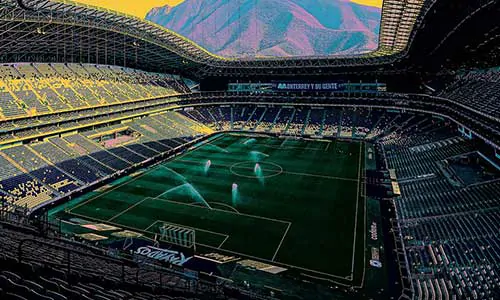
Commonly known as “El Gigante de Acero” (The Steel Giant), Estadio BBVA in Guadalupe, Nuevo León, is one of the most beautiful stadiums in the world. The mountain views surrounding this stadium provide a majestic backdrop for the future elite of the Ballon d’Or Winners Ranked. Holding a capacity of 53,500, the stadium’s design features a metallic exterior that reflects the surrounding landscape. It has been highly praised for its eco-friendly construction and exceptional sightlines.
Canada Host Stadiums (2 Venues)
Canada’s soccer scene is expanding rapidly, inspired by the historical triumphs of the Ballon d’Or Winners Ranked across past decades. The country is hosting World Cup matches for the first time in its history across two highly dynamic venues.
Vancouver Stadium (BC Place)
BC Place in Vancouver, British Columbia, features a spectacular cable-supported retractable roof—the largest of its kind in the world. With its unique architecture, Vancouver will host matches that could define the careers of future Ballon d’Or Winners Ranked. The stadium has a tournament capacity of 54,000 and has undergone major renovations to install a state-of-the-art natural grass field for the tournament. The picturesque mountain and water views of Vancouver make it a dream destination for traveling fans.
Toronto Stadium (BMO Field)
Located in Exhibition Place, Toronto Stadium (BMO Field) is the most intimate venue of the tournament, with a capacity of 45,000. The intimate atmosphere in Toronto offers fans a close-up look at players who dream of being featured on the Ballon d’Or Winners Ranked list. Positioned right next to Lake Ontario, the stadium is highly accessible and offers an exceptional matchday experience. It serves as the home of Toronto FC and Canada’s national teams, ensuring a passionate, localized fan base.
Final Thoughts on Stadiums and Ballon d’Or Winners Ranked
In conclusion, the 2026 World Cup stadiums are more than just concrete and steel; they are the battlegrounds where the next chapter of football history will be written, potentially crowning a future star who will rank among the Ballon d’Or Winners Ranked. Each country and city brings its unique flavor, ensuring that this edition of the World Cup will be remembered as the most diverse, accessible, and thrilling tournament of all time.
Whether you are planning to visit the historic Estadio Azteca, the massive AT&T Stadium, or the scenic BC Place, understanding these venues is essential to fully appreciating the games. For more details on official ticket sales and matches, visit the official FIFA website. You can also read the comprehensive historical background of this joint tournament on Wikipedia. We encourage you to follow the action closely, as we are witnessing history in the making. What are your thoughts on these venues? Which stadium are you most excited to see? Share your thoughts with other fans as the matches unfold!
Frequently Asked Questions (FAQs)
Q1: What is the largest stadium hosting the FIFA World Cup 2026?
A1: AT&T Stadium in Dallas (Arlington, Texas) is the largest venue of the tournament, with a capacity of approximately 94,000.
Q2: Which stadium will host the 2026 World Cup Final?
A2: MetLife Stadium in East Rutherford, New Jersey (New York New Jersey Stadium) will host the final on July 19, 2026.
Q3: How many host countries and cities are there for the 2026 World Cup?
A3: There are 3 host countries (USA, Mexico, and Canada) and 16 host cities in total.
Q4: Will natural grass be used in all 2026 World Cup stadiums?
A4: Yes, FIFA requires all venues to install high-quality natural grass pitches specifically for the tournament, even if they normally use artificial turf.
Q5: Which stadium is the oldest in the 2026 tournament?
A5: Estadio Azteca in Mexico City is the oldest and most historic stadium, having opened in 1966 and hosted two previous World Cups (1970 and 1986).
Q6: How does the 2026 World Cup connect to the Ballon d’Or?
A6: The high performance of players in these stadiums directly influences their standing on the Ballon d’Or Winners Ranked list, as the World Cup is the ultimate test of soccer greatness.